
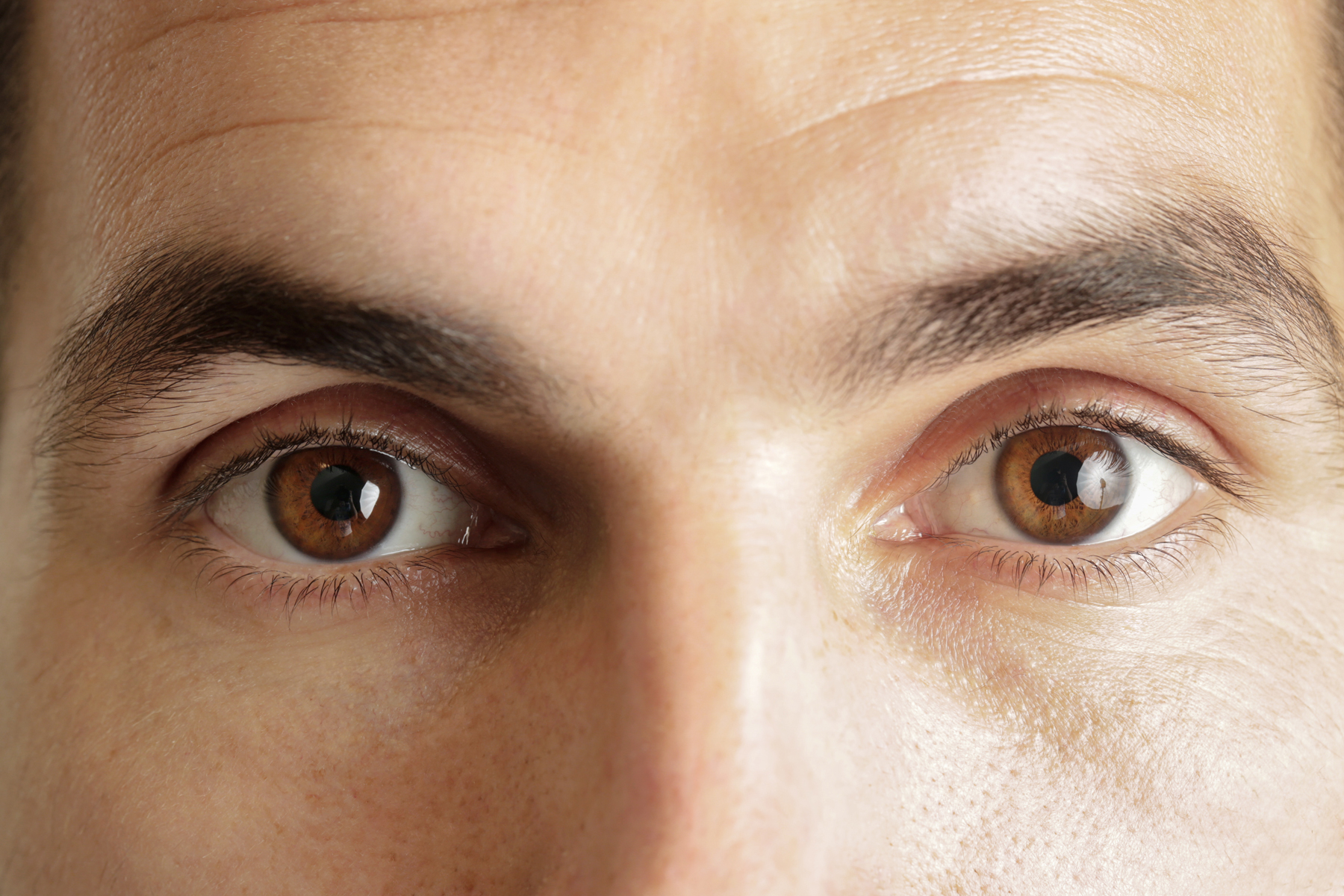
Noticing a yellow spot or small bump on the white of your eye can be concerning, especially if you have never seen it before. One common explanation is a pinguecula, a benign growth that develops on the conjunctiva, the clear tissue covering the white part of the eye.
A pinguecula typically appears as a small, slightly raised yellow or yellow-white area near the cornea. It is more commonly found on the side of the eye closest to the nose, although it can develop on either side.
Most pingueculae are harmless and do not affect vision. However, they can become irritated or inflamed, and they may gradually become more noticeable over time.
What Causes a Yellow Spot on the White of the Eye?
The exact cause of pinguecula is not completely understood, but long-term exposure to ultraviolet (UV) light and environmental irritation appears to contribute to its development.
Factors that may increase the likelihood of developing a pinguecula include:
- Frequent or prolonged sun exposure
- Exposure to wind, dust, or dry environments
- Chronic eye irritation
- Occupational UV exposure, including welding
People who spend significant amounts of time outdoors may therefore be more likely to develop these changes.
What Does a Pinguecula Look Like?
A pinguecula usually looks like a small yellowish bump or patch on the white of the eye, close to the edge of the cornea.
It may remain very small for years or gradually increase in size. Some people have a pinguecula without experiencing any symptoms and only notice it when looking closely in the mirror.
When the area becomes irritated or inflamed, the surrounding eye may appear red and feel uncomfortable.
Why Does a Pinguecula Sometimes Become Red or Irritated?
Although a pinguecula itself is benign, the surrounding tissue can become irritated. This may cause:
- Redness
- Dryness
- Burning or irritation
- A gritty or foreign-body sensation
- Increased awareness of the bump
Dry, windy, dusty, or sunny conditions may make these symptoms more noticeable. Keeping the surface of the eye adequately lubricated can often help reduce irritation.
Is a Pinguecula Dangerous?
A pinguecula is non-cancerous, and the outlook is generally very good. Most cases do not require treatment beyond monitoring and managing occasional irritation. However, any new or changing growth on the eye should be evaluated rather than diagnosed based on appearance alone. You should schedule an eye examination if you notice that the area is:
- Increasing noticeably in size
- Changing shape or color
- Frequently red or uncomfortable
- Beginning to extend toward the cornea
- Associated with changes in vision
An ophthalmologist can examine the area under magnification and determine whether it is a pinguecula or another type of eye growth.
Pinguecula vs. Pterygium: What’s the Difference?
Pinguecula and pterygium are often confused because both involve growths of the conjunctiva and are associated with environmental exposure.
The important difference is where the tissue grows.
A pinguecula generally remains on the conjunctiva next to the cornea. A pterygium can grow onto the cornea itself and, if it becomes large enough, may interfere with vision.
A pterygium may therefore require closer monitoring or surgical treatment when it continues to grow, causes persistent irritation, or begins affecting vision.
If you aren’t sure which type of growth you have, an eye examination can usually distinguish between the two.
Does a Pinguecula Go Away?
A pinguecula generally does not disappear on its own. However, that does not mean it needs to be removed.
For most patients, the goal is simply to keep the eye comfortable and monitor the growth for changes.
If the pinguecula becomes irritated, treatment may include artificial tears to keep the eye lubricated. In some cases, a mild steroid eye drop may be prescribed temporarily to control inflammation.
Surgical removal is rarely necessary, but it may be considered when a pinguecula causes persistent discomfort or for cosmetic reasons.
Can You Prevent a Pinguecula From Getting Worse?
Because sunlight and chronic irritation may contribute to pinguecula development, protecting the surface of your eyes is important.
Wearing good-quality sunglasses with UV protection when outdoors can help reduce UV exposure. Avoiding dust, smoke, wind, and other eye irritants when possible may also help.
For patients with dry or easily irritated eyes, artificial tears can help keep the ocular surface lubricated. In certain patients, punctal plugs may also be considered to help maintain moisture on the surface of the eye.
When Should a Yellow Spot on Your Eye Be Checked?
If you have had a small, unchanged pinguecula for years without symptoms, it may simply need to be monitored during routine eye examinations.
A new yellow spot or bump, however, is worth having evaluated—particularly if you are not certain what it is.
You should also have an existing growth checked if it becomes larger, changes appearance, becomes persistently irritated, or appears to be growing toward the cornea.
Not Sure What’s Causing the Yellow Spot?
A yellow spot on the white of the eye is often a benign pinguecula, but several eye conditions can look similar without a proper examination.
At Peninsula Laser Eye Medical Group in Mountain View, our ophthalmologists can examine the growth, determine what it is, and recommend treatment or monitoring when appropriate.
If you’ve noticed a new yellow spot, persistent redness or irritation, or a growth that appears to be changing, call (650) 961-2585 or request an appointment online.