
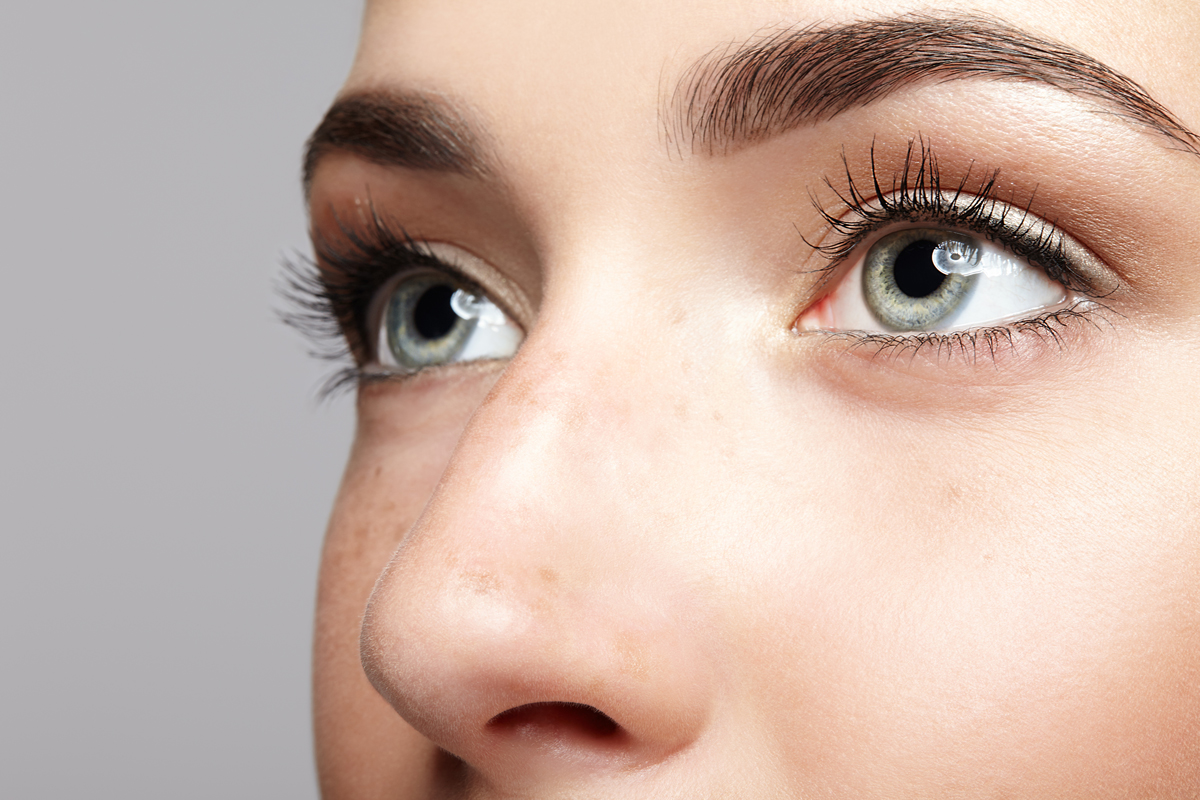
Amblyopia, commonly known as lazy eye, is a condition where one eye does not develop normal central vision. This vision loss cannot be corrected with glasses or contact lenses alone. It typically occurs when the brain favors one eye over the other, leading to reduced visual development in the weaker eye.
Amblyopia often develops in early childhood – usually before age 6 – and does not affect peripheral (side) vision, which is why it can go unnoticed without a proper eye exam.
Common causes of amblyopia include:
- Misaligned eyes (strabismus or “crossed eyes”)
- A significant difference in prescription between the two eyes (nearsightedness, farsightedness, or astigmatism)
- Conditions that block vision in one eye during early development
Because the brain and visual system are still developing in young children, early diagnosis is critical. When identified and treated early, many children can achieve significant improvement or full visual recovery.
Symptoms of Amblyopia
Symptoms are often subtle and may not be obvious to parents or caregivers. Signs to watch for include:
- Favoring one eye or frequently closing one eye
- Poor depth perception
- Difficulty with coordination or bumping into objects on one side
- Complaints of blurry vision in one eye (less common in younger children)
Since children may not recognize or report vision problems, routine pediatric eye exams play an important role in early detection.
Treatment Options for Lazy Eye
Treatment for amblyopia focuses on strengthening the weaker eye and improving coordination between both eyes. Depending on the cause and severity, treatment may include:
- Prescription glasses or contact lenses
- Prism lenses to help align vision
- Eye patching to encourage use of the weaker eye
- Vision therapy to train both eyes to work together
Vision therapy can be highly effective, especially when started early. However, outcomes are closely tied to timing – treatment is most successful when amblyopia is diagnosed during early childhood.
When to See an Eye Doctor
We recommend that children receive a comprehensive eye exam with an ophthalmologist before age 5, even if no symptoms are present. Early screening allows for timely treatment and helps prevent long-term vision problems.
Take the Next Step
Amblyopia often develops quietly, but early treatment can make a lasting difference in your child’s vision.
At Peninsula Laser Eye Medical Group in Mountain View, pediatric eye evaluations are designed to catch vision issues early and identify whether amblyopia or another condition is affecting visual development. From there, we guide you through the most appropriate treatment options based on your child’s needs.
Schedule an eye exam using the form below or give us a call at (650) 961-2585 to get clear answers and a plan that supports healthy vision development from the start.